Extra! Extra! Read all about it
June 2026
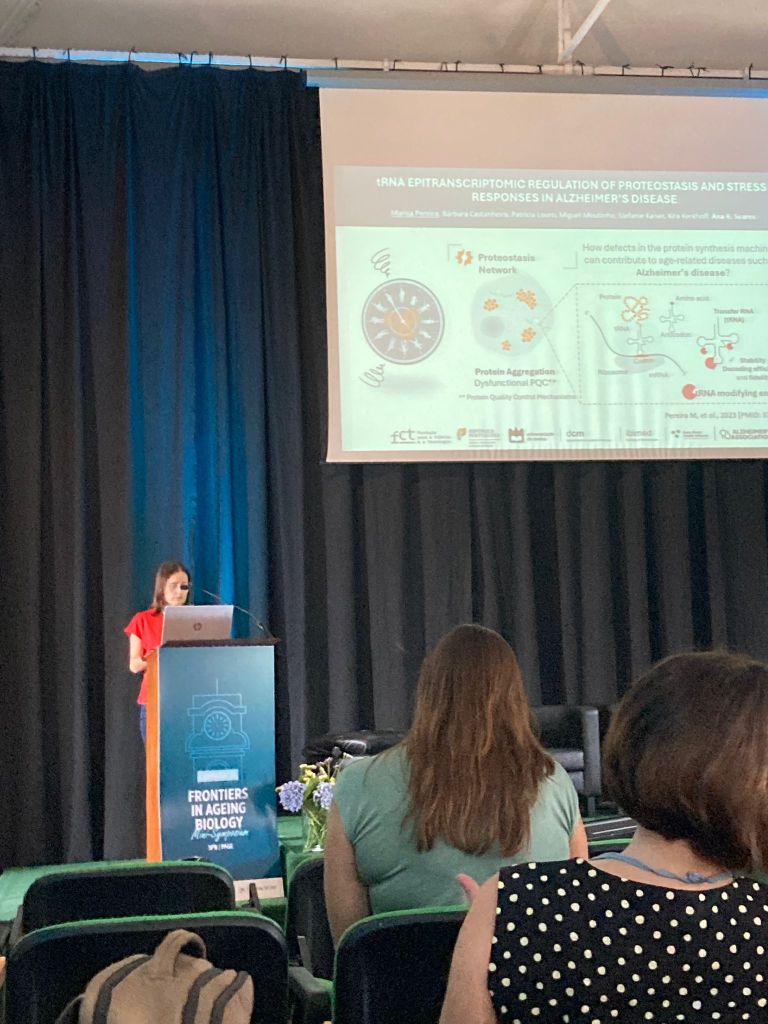
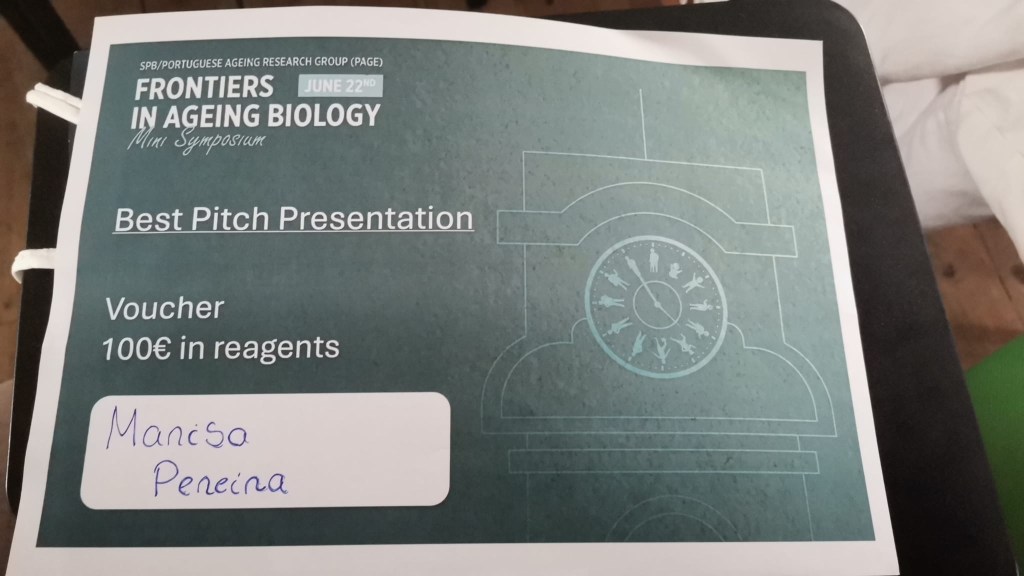
We attended PAGE meeting and Marisa won the best pitch prize
The first PAGE (Portuguese Ageing Research Group) meeting took place in Coimbra, on June 22nd. It was a great way to join Portuguese researchers working on the broad subject of ageing, make new connections and showcase our contribution to the topic. Marisa delivered an impactful pitch and ended up winning the best pitch prize. The tRNA epitranscriptome (and Marisa) did it again! A huge thank you for to the organisation and scientific committee and congratulations to Marisa!
May 2026
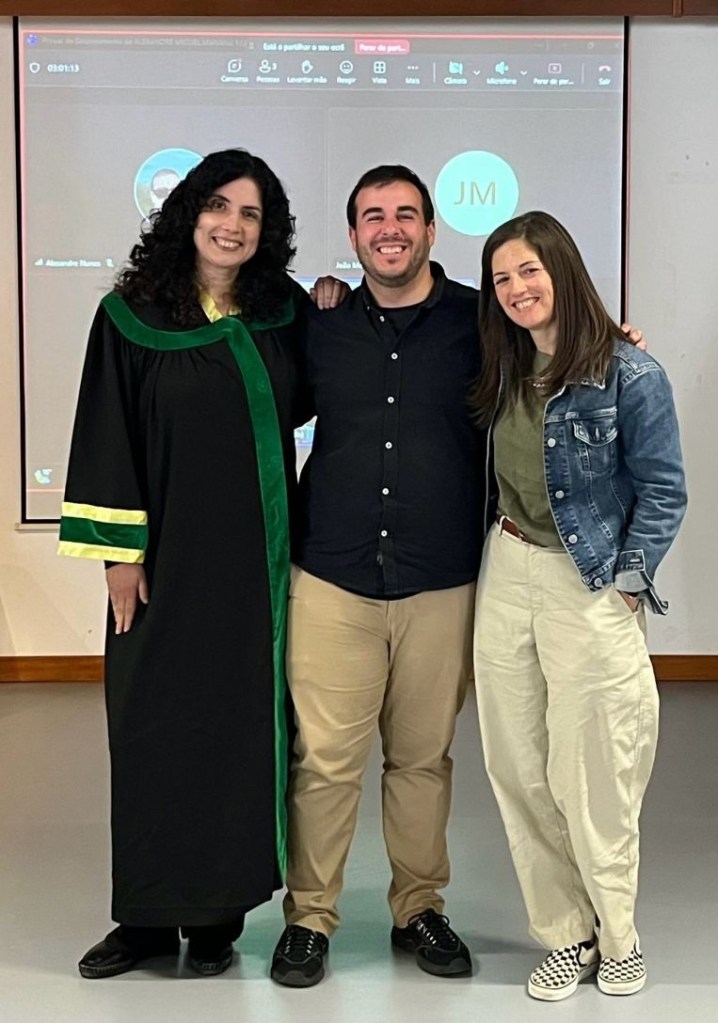
Congratulations Alex , our most recent PhD holder
On May the 5th, Alexandre successfully defended his PhD thesis.
Alexandre was one of the students who helped bring an old idea to life: that tRNA modifications have something important to say during viral infection.
His thesis is the result of years of commitment, curiosity, and hard work. It is also a reflection of a strong and rewarding collaboration with Daniela Ribeiro, who supervised the virology side of the project.
This work also benefited enormously from an inspiring interdisciplinary collaboration with Marjolein Kikkert, Stefanie Kaiser and Eva Maria Novoa, who did not hesitate to embark on what, at first, may have seemed like a slightly crazy idea.
I am very proud of what Alex has achieved and I am sure he has a bright future ahead. I truly hope he carries a little piece of the tRNA world into his next endeavours.
Congratulations, Alex!
April 2026
Check our new preprint: Host tRNA modifications drive efficient translation of influenza A virus genome and impact host antiviral stress responses
Over the past few years, we and others have been exploring how viruses achieve this, and whether such efficiency relies on reprogramming tRNA pools and their modifications. Collectively, these efforts have made it clear that the epitranscriptome is actively rewired during viral infection.
In this study, we wanted to go a step further: not just whether tRNA modifications change, but how they functionally control viral genome decoding and coordinate host responses.
Using Influenza A virus as a model, we uncover a more integrated picture.
We show that infection does not significantly alter the overall tRNA pool. Instead, it dynamically rewires tRNA modifications at the wobble position, while promoting the selective recruitment to the ribosomes of specific tRNAs optimally suited to decode the viral genome. At the same time, this reprogramming intersects with the translation of host antiviral genes, revealing a tight coupling between viral demands and host responses.
Strikingly, perturbing this system does more than impair viral translation. It disrupts the balance between viral protein synthesis and host stress responses, ultimately affecting viral propagation.
This was a truly collaborative and interdisciplinary effort, bringing together expertise in RNA biology, transcriptomics, epitranscriptomics, and virology, with fantastic colleagues from the University of Aveiro, Goethe University Frankfurt and Centre for genomic Regulation. Check it out here – https://www.biorxiv.org/content/10.64898/2026.04.21.719891v1
March 2026
Check the new preprint on selective profiling of translationally active tRNAs
We are very happy to announce this new preprint, where the development of tRIBO-seq, a nanopore-based method that lets you selectively capture and sequence tRNAs from actively translating ribosomes in shown. In a single experiment, tRNA abundance, modification patterns, and fragmentation data is obtained from the tRNAs that are actually doing the work of translation, not just the total pool sitting in the cell. This resulted from a collaboration between Eva Maria Novoa’s laboratory at the Centre for Genomic Regulation in Barcelona, and Immagina Biotechnology S.r.l. We were lucky enough to also embark on this journey and helped to show that ribosome-associated tRNAs changed significantly according to cellular stress. Check it out here: https://www.biorxiv.org/content/10.64898/2026.03.02.709006v1
February 2026
Cheers to our new PhD holder
On February 27th Stephany brilliantly defended her PhD! She studied the impact of healthy aging on proteostasis, and identified several translation and metabolic related processes that are affected. To do so, she implemented novel mass spectrometry analysis that allowed her to distinguish total proteome from insoluble and soluble proteomes in different tissues and at different ages in healthy mice. The discussion during her defense was truly stimulating, reflecting both the quality of Stephany’s work and the insightful contributions from the jury panel. The tRED team wishes all the best to our “mice lady” in the next adventures and we are certain that a bright future lies ahead!

December 2025
Congratulations to our new MSc
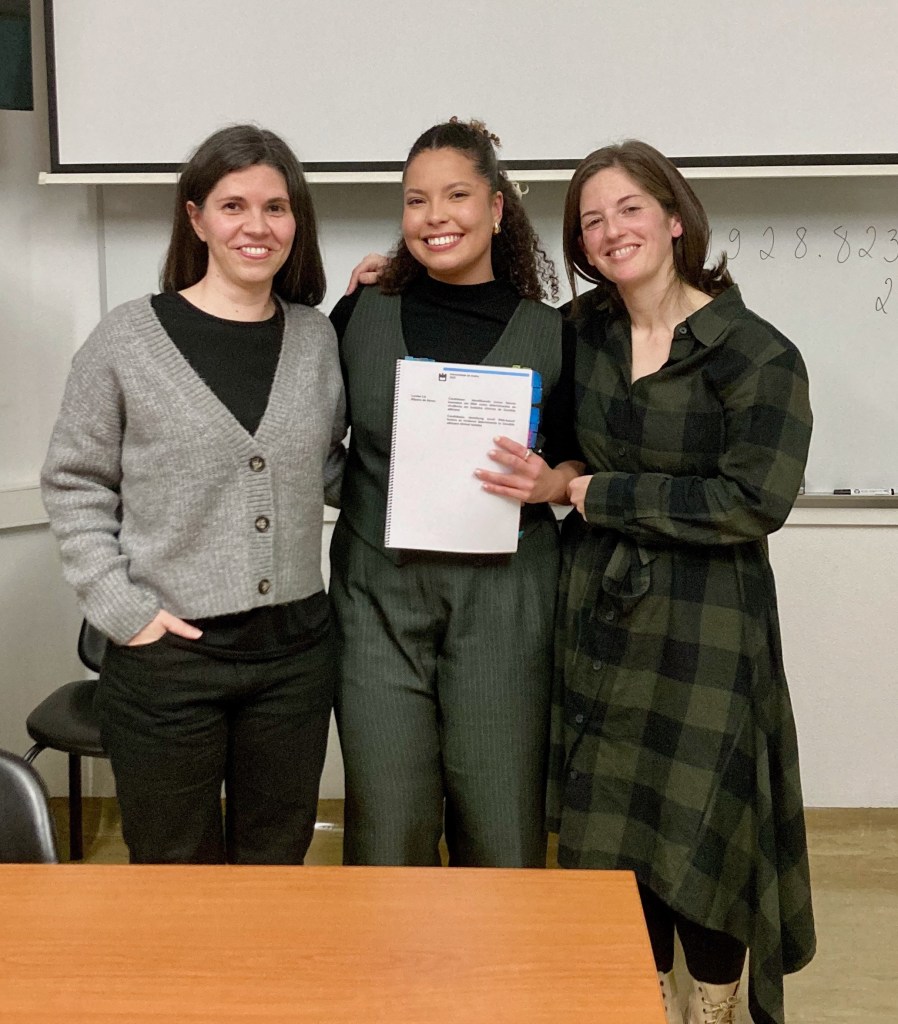
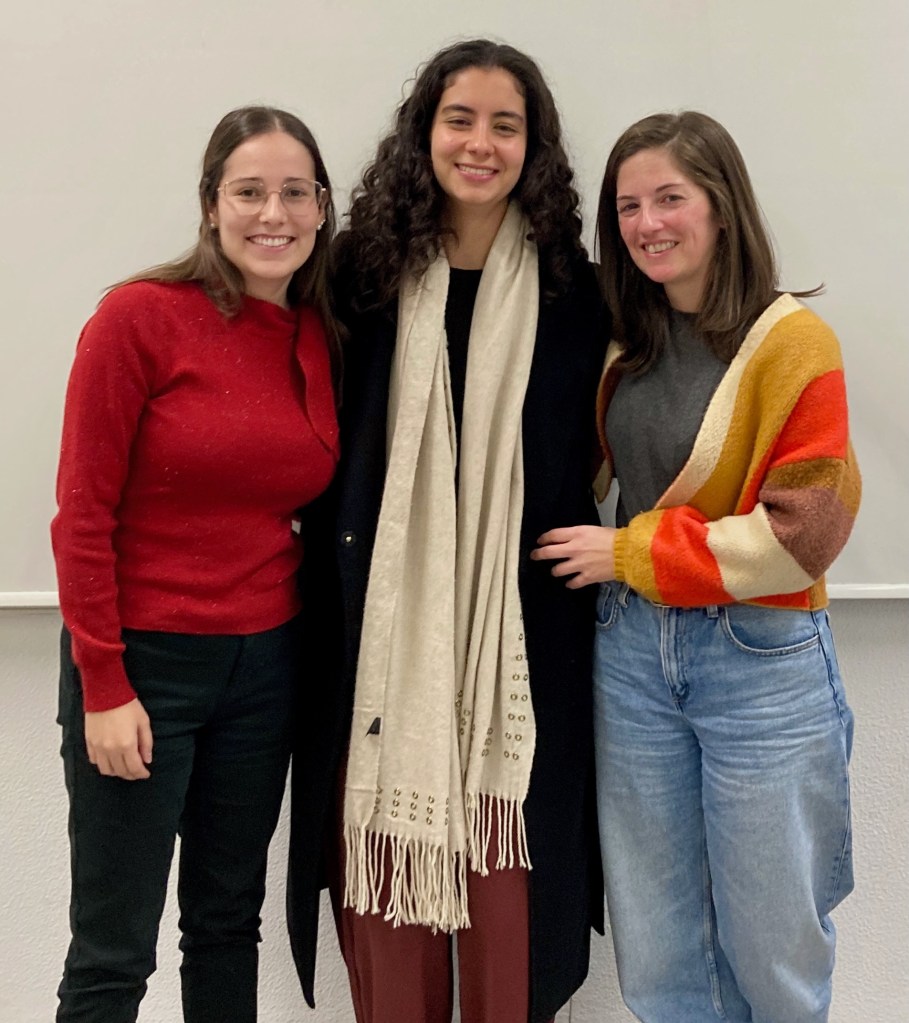
This month has been incredibly intense and rewarding for the tRED group. Our three Master’s students Laura, Louise and Júlia have successfully and brilliantly defended their theses, delivering outstanding presentations and discussions. The group couldn’t be prouder.
Their work spanned a range of topics:
• the development of 3D cellular models to assess the impact of tRNA supplementation as a therapeutic strategy to improve proteostasis;
• the characterization of the Candida albicans tRNA epitranscriptome and its role in virulence and pathogenesis across clinical strains;
• and a comparative analysis of the therapeutic potential of tRNA-modifying enzyme supplementation versus direct tRNA supplementation.
Laura, Louise and Júlia have all shown remarkable talent, curiosity, and resilience. It was truly a pleasure to have them in the lab and to watch them grow as scientists. The tRED Group hopes to have sparked their interest in the importance of the tRNA and the epitranscriptome and who knows if some of them join us again in the future.

October 2025
Welcome Bárbara
Bárbara is our most recent research technician. Hired under the scope of the AD-EpiMark project she will help us understanding the impact of the tRNA epitranscriptome in Alzheimer’s disease onset and progression and characterize the tRNA epitranscriptome in patient-derived cell lines. It is great to have you in the tRED team!

Attendance of the EMBO the epitranscriptome and a poster prize
This month we attended the exceptional EMBO the Epitranscriptome Meeting at Heidelberg. It was inspiring to see how rapidly the epitranscriptomics field is evolving, and to feel the energy, openness, and collaboration within this community.
We presented exciting progress from three ongoing projects, highlighting the role of the tRNA epitranscriptome in: neurodegeneration, viral infections and fungal virulence.
Our team members Alexandre Nunes, Marisa Pereira and Ana Soares presented their posters, received valuable feedback, and connected with other researchers in the field.
A special congratulations to the brilliant Marisa Pereira who won the Poster Prize!
An outstanding achievement and a fantastic way to cap off an inspiring week.


September 2025
A warm welcome to all our new members
September marks the beginning of the new school year, and with that the beginning of the research journey for many MSc students. This year we welcome 5 new members that chose the tRED to developed their thesis. Welcome André, Beatriz, Patrícia and Tomás! André and Patrícia will be working on the role of the epitranscriptome in disease and will contribute to improve nanopore modification detection protocols. Beatriz will focus on tRNA modification rewiring through aging and evolution using yeast as a model organism in collaboration with the fungal microbiology group at iBiMED. Tomas will continue to explore the relevance of tRNA epitranscriptome reprogramming during viral infection in collaboration with the DR lab at iBiMED. Lots of success for all!
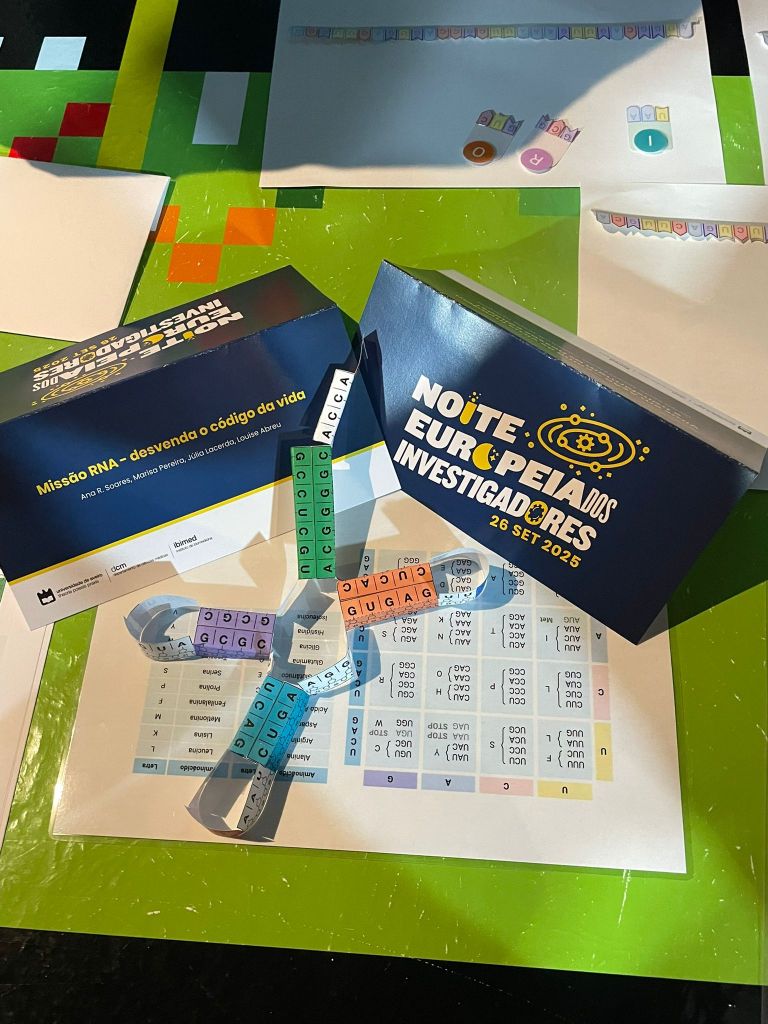
The tRED Group was present at the European Researcher’s Night with the RNA MISSION
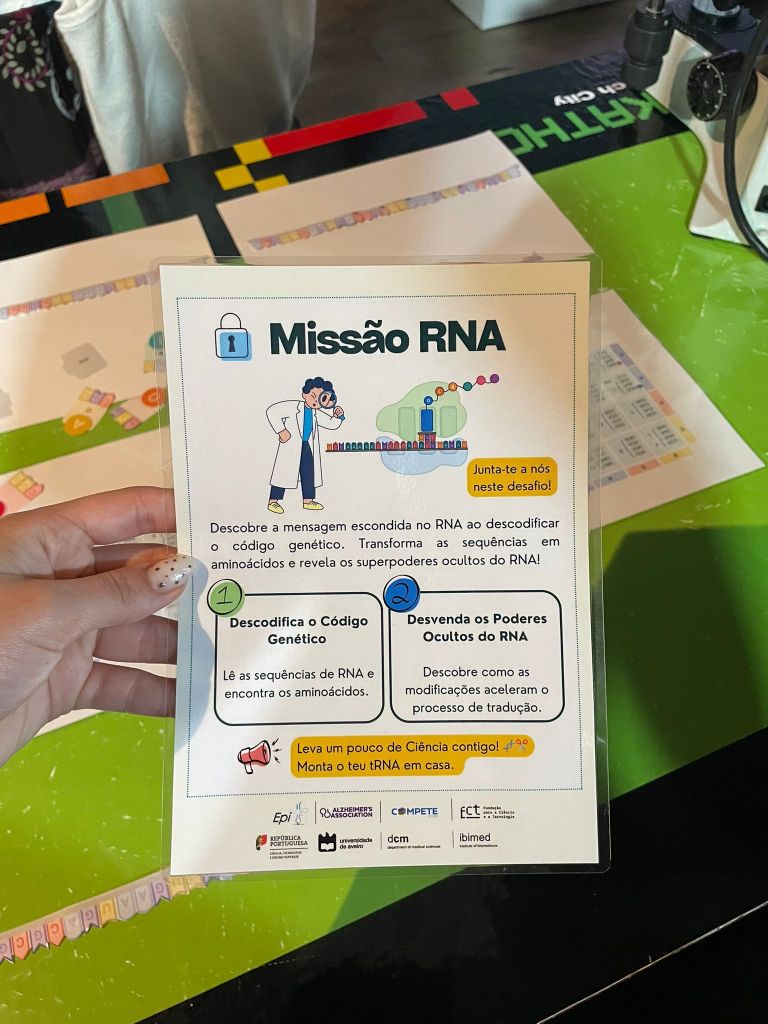
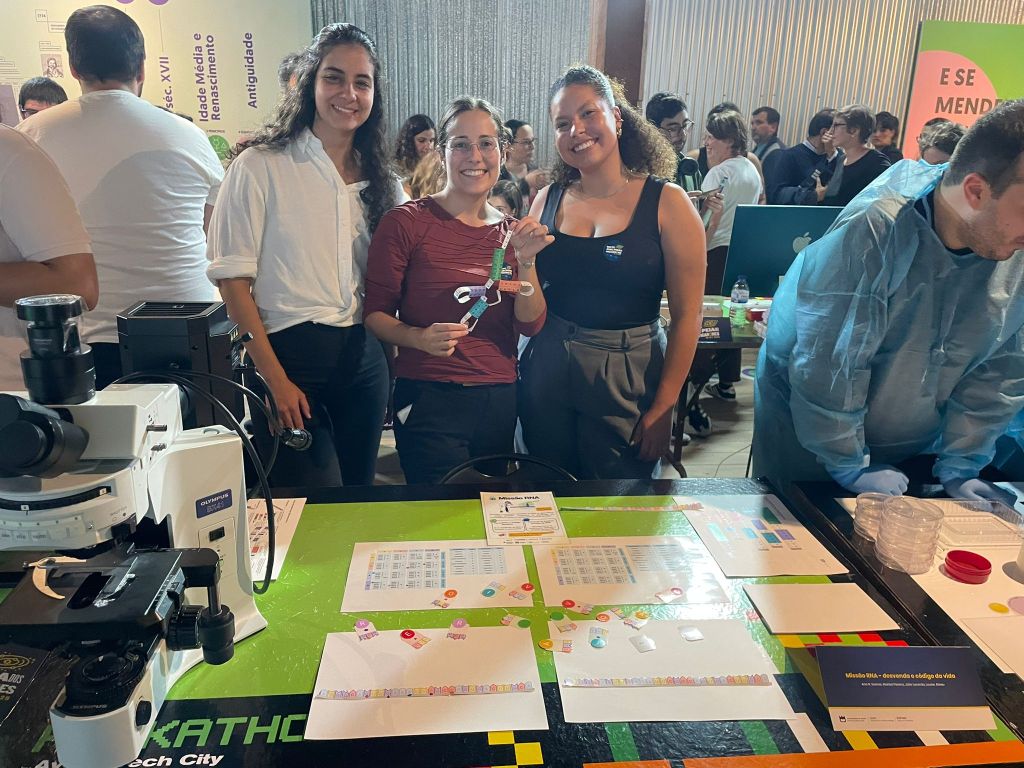
It is always a great experience to be part of the European Researcher’s night! On the last September 26th our group was represented at this event by our RNA ladies Marisa Pereira, Louise Abreu and Júlia Lacerda. This time we invited participants to join us on an RNA mission to decode life’s alphabet and unleash the power of the epitranscriptome. It was a night of connection, discovery, and celebration of science, where we and the community came together in a relaxed environment to talk, learn, and imagine the future (made of RNA!!! and RNA modifications!!!)
August 2025
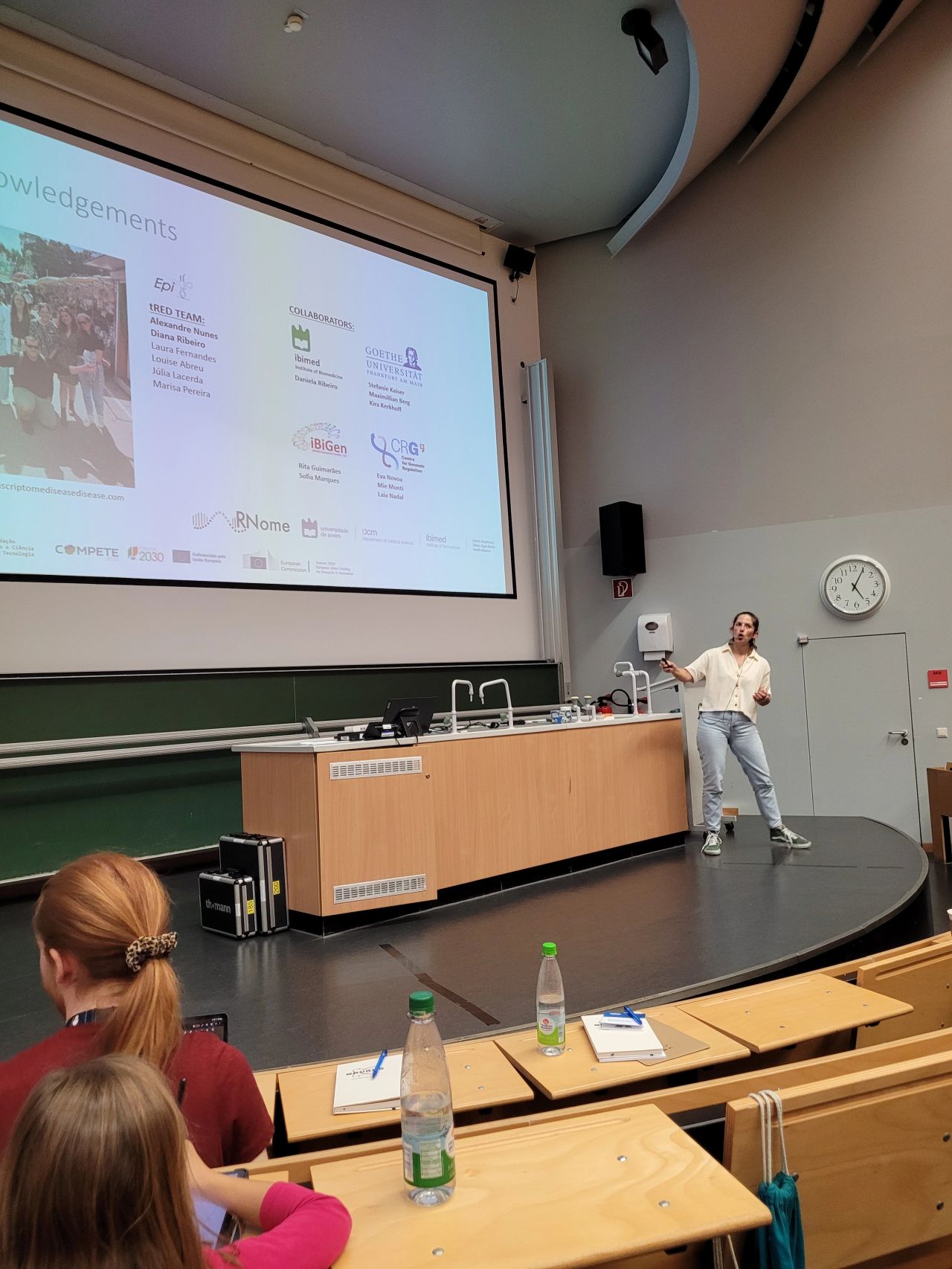
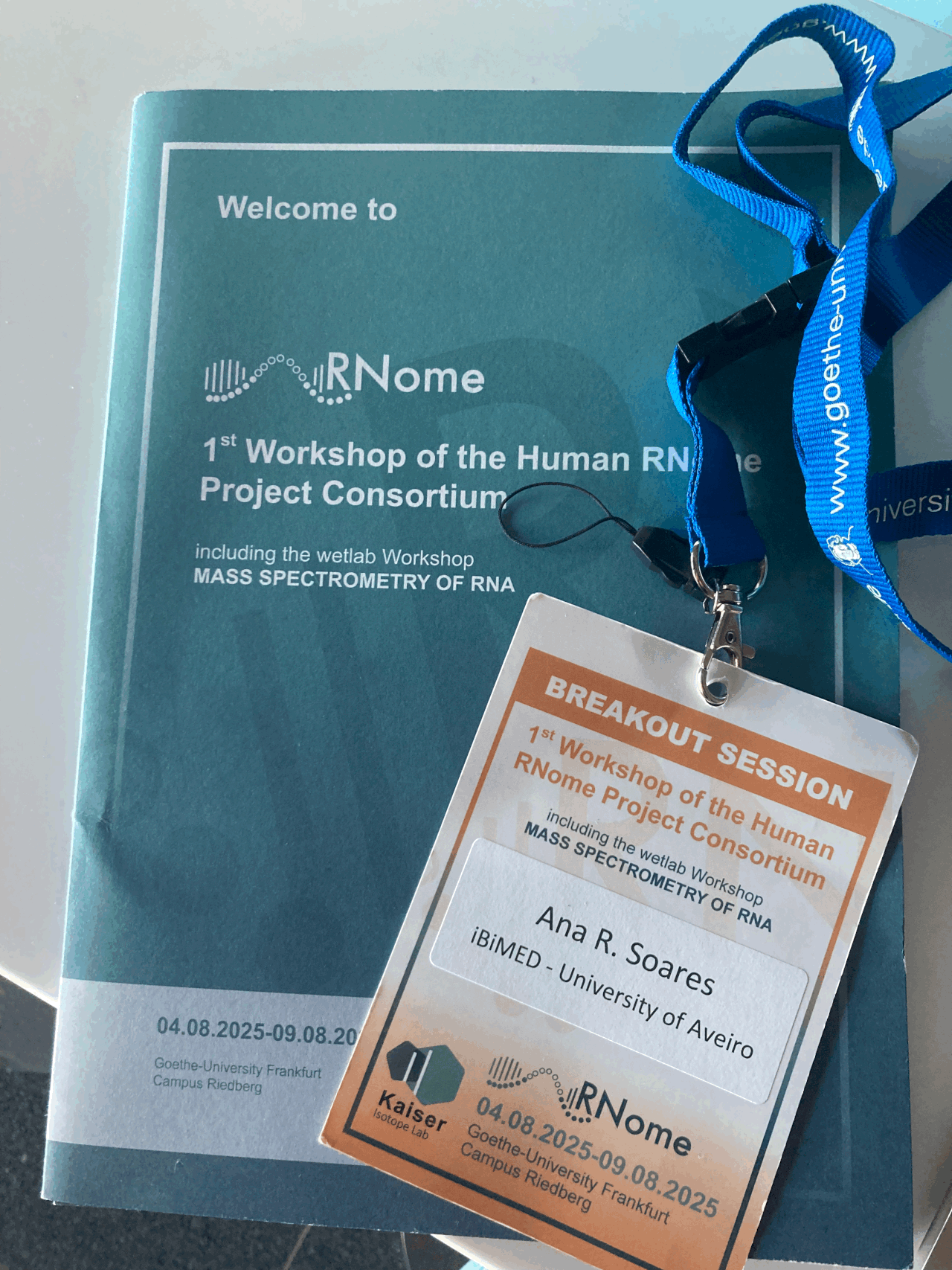
The tRED Group attended the 1st RNome Workshop
Our PI attended the 1st RNome Workshop, where she delivered a talk about the work our group is developing to identify tRNA modification signatures upon infection by a combination of mass spec and sequencing. Besides, she had the amazing opportunity to network with the world epitranscriptome aficionados and discuss the future directions of the RNome project. Our common goal is to map all RNA modifications in all RNAs in all cells and tissues, normal and diseased! To learn more check the website: https://humanrnomeproject.org and join our growing community!
July 2025
1 Research Technician grant is open under the project AD-EpiMark
A position for a research technician is open to join our group for 6 months, to work on our Alzheimer’s Association funded project. Applications open until the the 2nd of July. More info here: https://euraxess.ec.europa.eu/jobs/352847
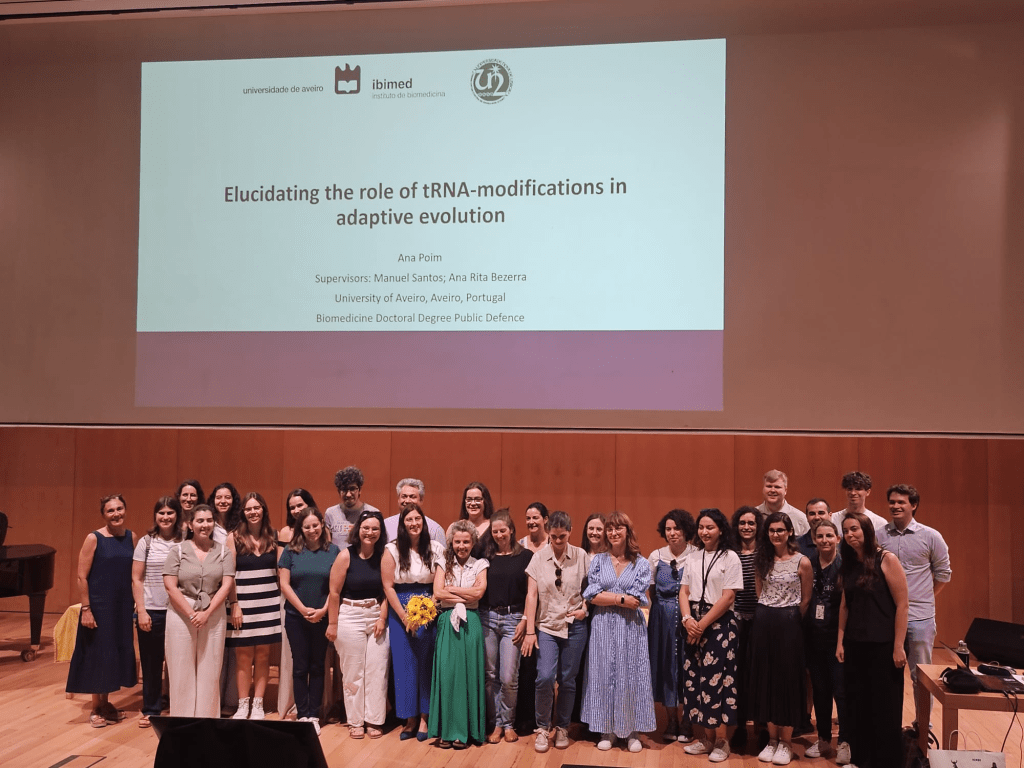
Our honorary PhD student Ana Poim is now Dr Ana Poim
Ana Poim, now Dr Ana Poim, brilliantly defended her PhD this July. Her thesis, entitled “Elucidating the role of tRNA modifications in adaptive evolution” shows how yeast evolve when lacking specific tRNA modifications to cope with protein translation errors. This provides novel insights on the mechanisms of tRNA modopathies and also provides new clues on how to manipulate organisms to become more sensitive or resistant to specific stresses, having huge implications in the health, nutrition and environment areas.
June 2025
tRED BSc Rotation students were distinguished with the best in class grade
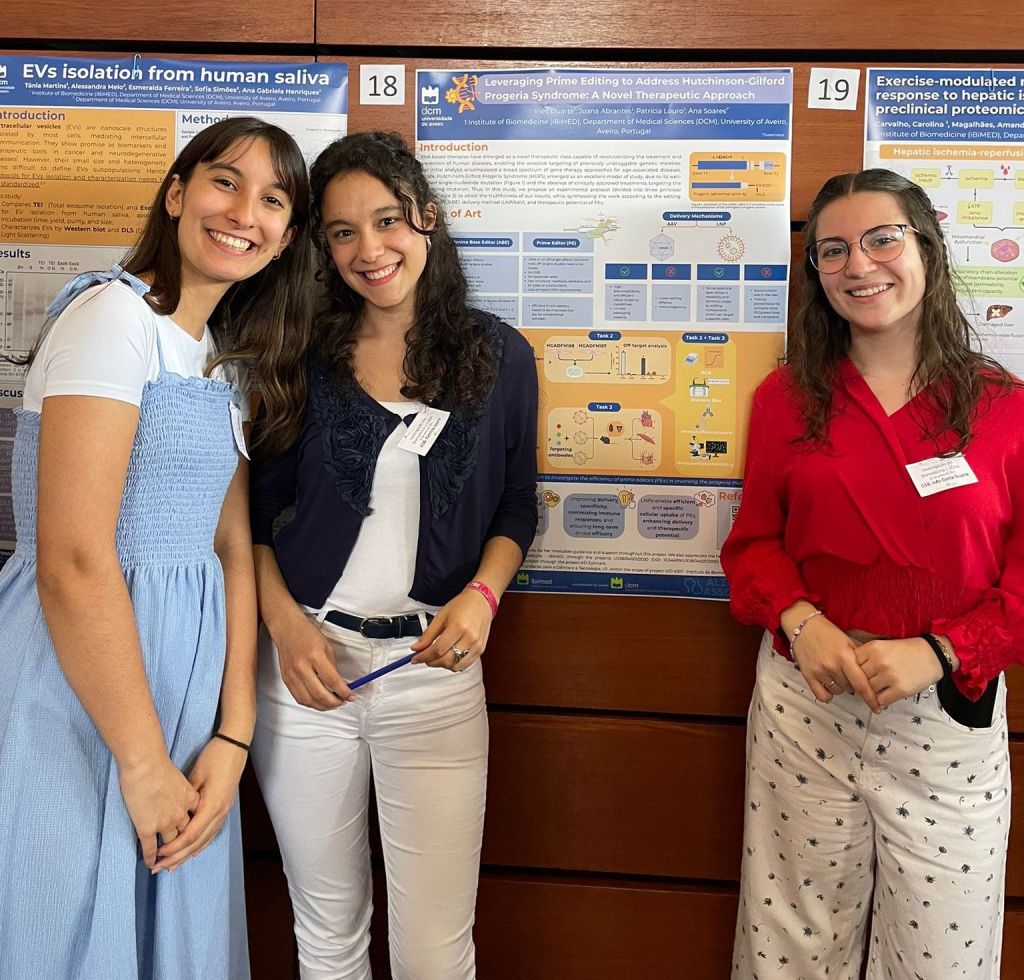
Congratulations to our Bachelor Rotation students for the outstanding work they carried out in our group during the second semester of the 2024/2025 academic year of the Medical Sciences Bachelor’s program.
Third-year students Joana Abrantes, Patrícia Louro, and Inês Duarte developed an exciting project entitled “Leveraging Prime Editing to Address Hutchinson-Gilford Progeria Syndrome: A Novel Therapeutic Approach”, combining theoretical research with hands-on laboratory experience. They concluded their rotation by presenting their work as a scientific poster—earning the highest grade in their class!
It was a pleasure to host such motivated students and to contribute to nurturing their growing passion for RNA biology and RNA-based therapeutics. We wish them continued success in their scientific journeys!
May 2025
The tRED showcased its research at the 2025 iBiMED Symposium
Last week, the tRED group participated in the VIII iBiMED Symposium, a growing national forum in biomedical sciences organized by PhD students at iBiMED–University of Aveiro. Our MSc students — Júlia Lacerda, Laura Fernandes, and Louise Liz Abreu — proudly presented posters highlighting their research on the role of tRNAs and the tRNA epitranscriptome in diseases ranging from neurodegeneration to fungal infections. Great work by all!
1 Research Technician grant is open under the project Modivir
A position for a research technician is open to join our group for 3 months, to work on our most recent FCT funded project MODIVIR where we are studying how RNA viruses hijack and reprogram host tRNAs and tRNA modifications. This research will lead to the identification of novel host-directed antiviral targets. Applications open until the the 22nd of May. More info here: https://www.ua.pt/pt/noticias/0/90947.

